
Notícias
Santa Catarina company ranks among Latin America’s two leading flexography chemical waste recyclers
Based in Morro da Fumaça, RECICLO Química pioneers the recovery of solvents and processors used by the flexography industry
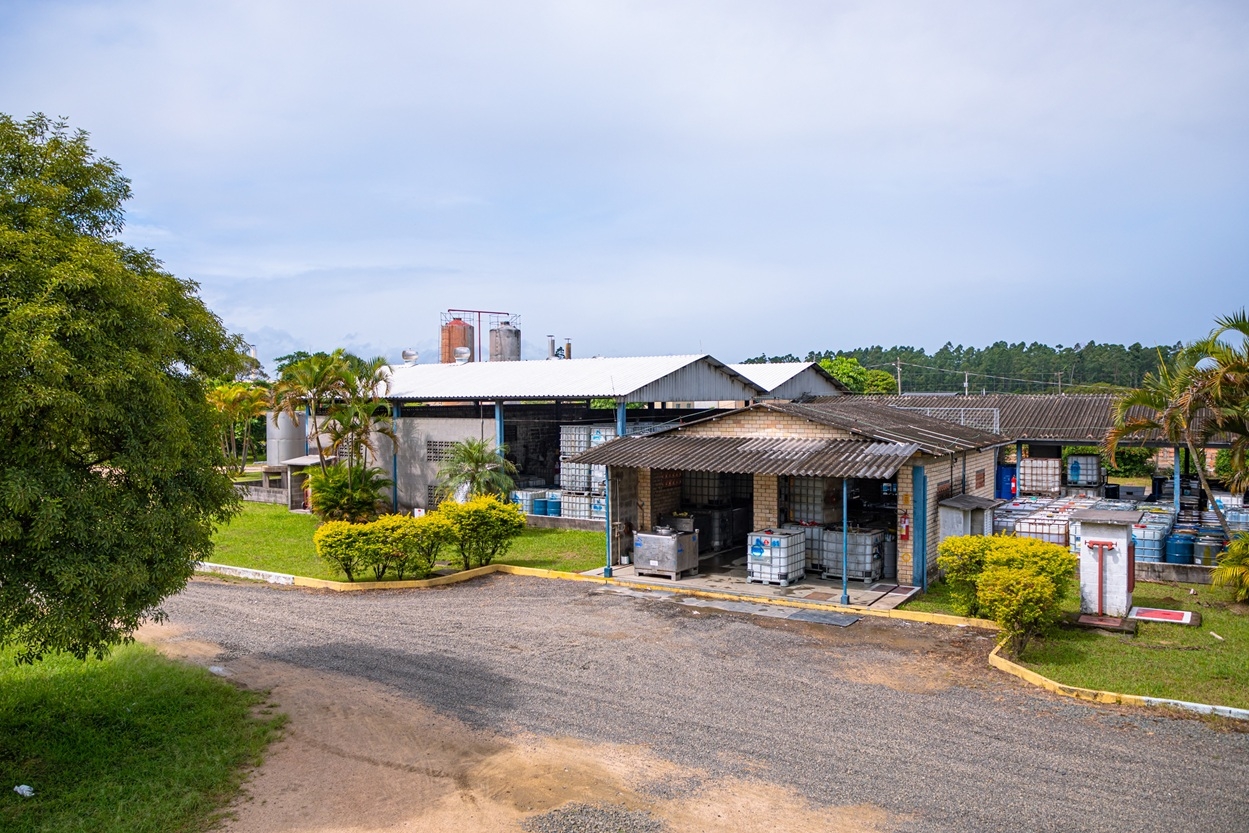
The disposal of chemical waste is one of the most sensitive challenges on the environmental agenda in industries, especially in chains that use solvents and other inputs that cannot go into regular waste, such as flexographic printing. In this scenario, those concerned with ensuring the reuse of these materials are gaining strength, as in the case of RECICLO. Founded in 1990 in Morro da Fumaça (SC), the company works in the recovery of solvents and processors used by the sector and is among the two leading recycling industries for this waste in Latin America.
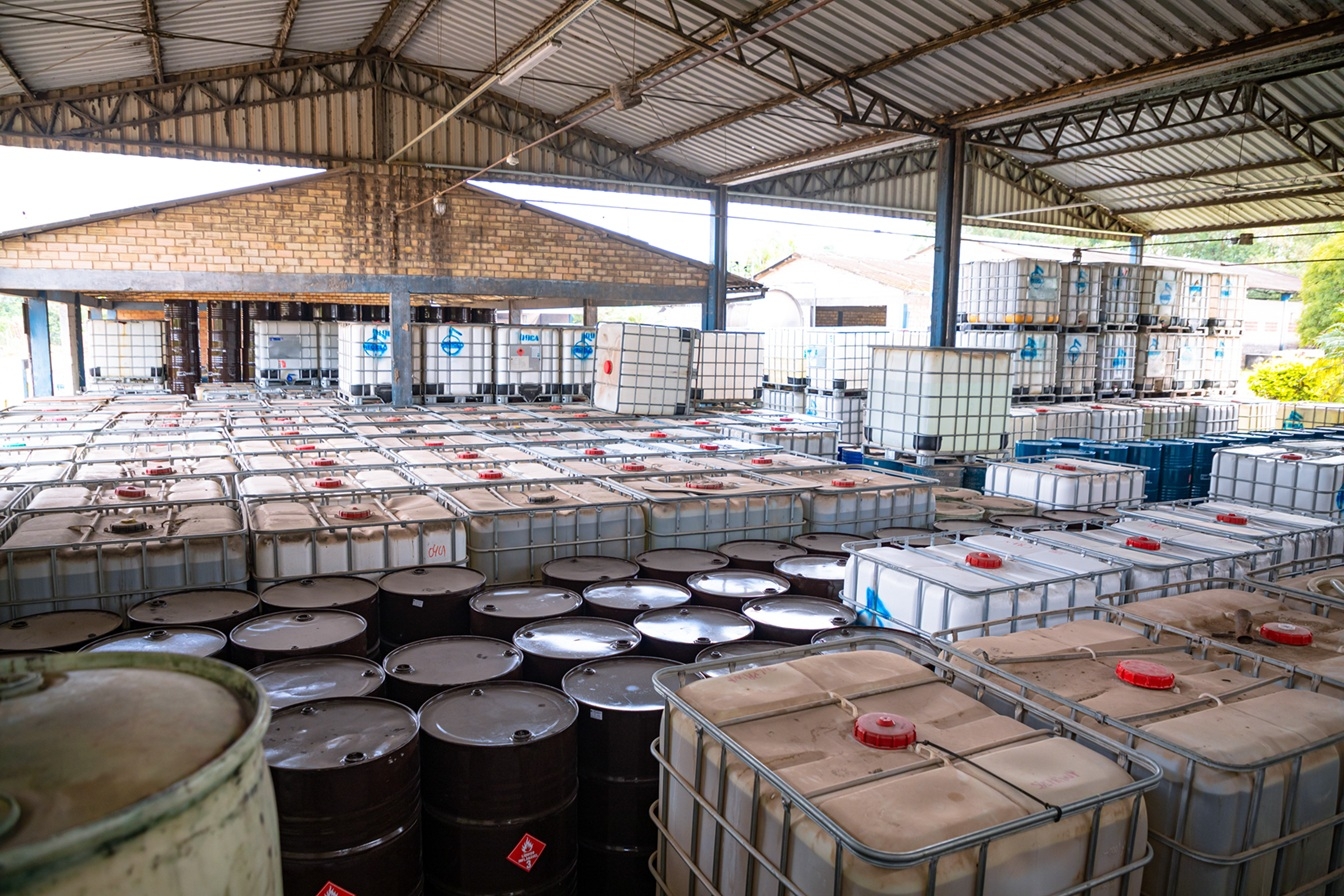
Over the past 20 years, the company has recycled almost 68 million liters of solvents used by the flexographic industry. In the same period, it also received 23.4 million kg of photopolymers (the base of flexographic plates) for decharacterization and transformation into raw material for other segments. In addition, the recycling processes generated 12.8 million kg of sludge, a byproduct that can be used as raw material by industries that work with rubber, for example, and that was sent to partner companies, extending the useful life cycle of the materials.
Market leader
Currently, RECICLO is responsible for more than 80% of the demand in the solvent and processor recycling market of the flexographic industry in Latin America. The volume of inputs received reinforces the need for factories to reuse this waste so that it does not overload landfills or be improperly disposed of in the environment.
The company’s CEO, Alan Fabre, says that concern over the incorrect disposal of this waste had already existed in the sector since the early 1990s, when the company was founded. “At the time, there was little talk of sustainability and there was no technical support for this issue. With the advancement of physical-chemical processes and the market’s need to integrate with environmental solutions, we began recycling solvents through distillation, which separates the solvent from other contaminants and returns it to the industry. In this way, we reuse as much as possible of what enters the industrial process, without needing to discard it or send it to any landfill,” he explains.
According to the CEO, the company’s operation uses proprietary technology and adds a new link to industrial reuse: materials that would require specialized disposal undergo a process of decharacterization and stabilization and return to be reused by industries. The byproducts generated from the processes carried out by RECICLO, such as sludge, are sent to segments that use it as an input, benefiting more than one sector.
Effluent treatment
The chemical company also has an industrial effluent treatment station, where more than 400,000 liters of effluents were treated between 2006 and 2026, preventing environmental contamination.
“Including us, only one other company offers this type of service in all of South America. Because Brazil is highly industrialized, it produces high numbers of chemical waste, so our demand is high, but there are still many industries that do not know it is possible to recycle their solvent or transform the polymer and solvent sludge into raw material for another sector,” the CEO details.
More than reusing industrial inputs, the work provided by RECICLO reduces the improper disposal of chemical contaminants, delivers solutions to keep industrial routines efficient, prevents the exhaustion of natural resources, and offers environmental solutions integrated into the business itself.
 Voltar